
Close to the Earth
Dec 26, 2025The blog below describes a few of the movements from the Close to the Earth practice video above.
This practice is taken from Charlotte's Somatics and Embodied Awareness short online course and is reflective of practices within her Somatic Therapeutic Yoga Training - a 200-hour trauma-informed, specialist training.
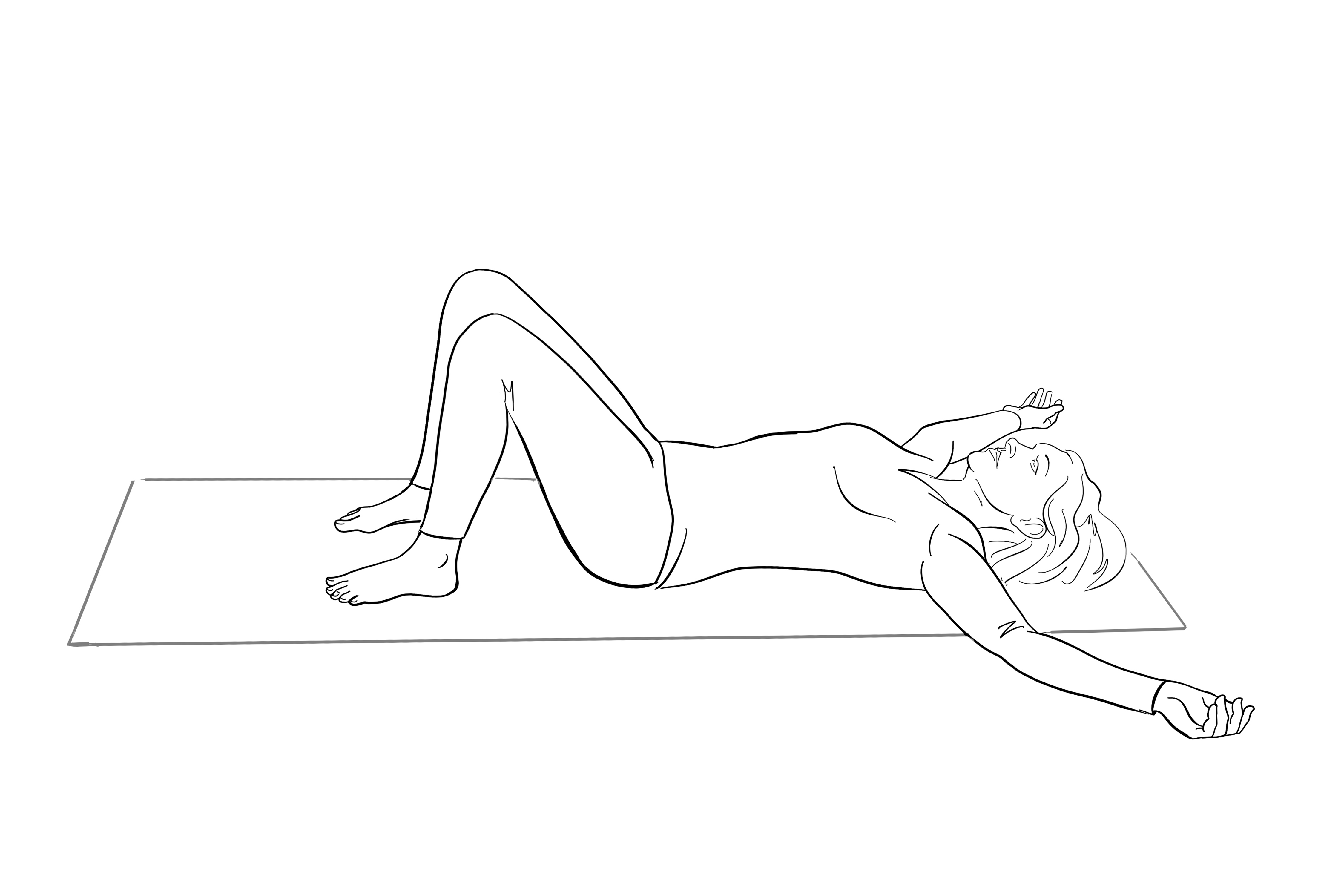 Returning to the Ground
This practice begins close to the earth, in a simple constructive rest position. By bending the knees and allowing the body to be fully supported from below, we create the conditions to arrive without effort. There is an invitation here to soften into being held, to sense the quiet reassurance of the ground, and to let the breath communicate that there is nowhere we need to go.
As the body settles, attention naturally drops toward the belly and diaphragm. Subtle movements ripple through the jaw, face, and shoulders, inviting a release of tension we may not have realised we were carrying. The breath becomes less something we do, and more something we notice - rising and falling, organising us from the inside.
Gentle Pathways of Movement
From this grounded starting point, small, slow movements begin to emerge. The head rolls lightly from side to side, knees responding in kind, creating a soft conversation between neck, pelvis, and spine. These movements are not about stretching or achieving range, but about listening, allowing the body to follow where it is invited rather than being directed.
As the practice unfolds, the arms, hands, legs, and feet gradually join in. Fingers extend and soften, limbs circle and rebound, and the body explores gentle rhythms of tension and release. These simple gestures help reawaken sensory pathways, encourage circulation, and create a sense of internal spaciousness without agitation.
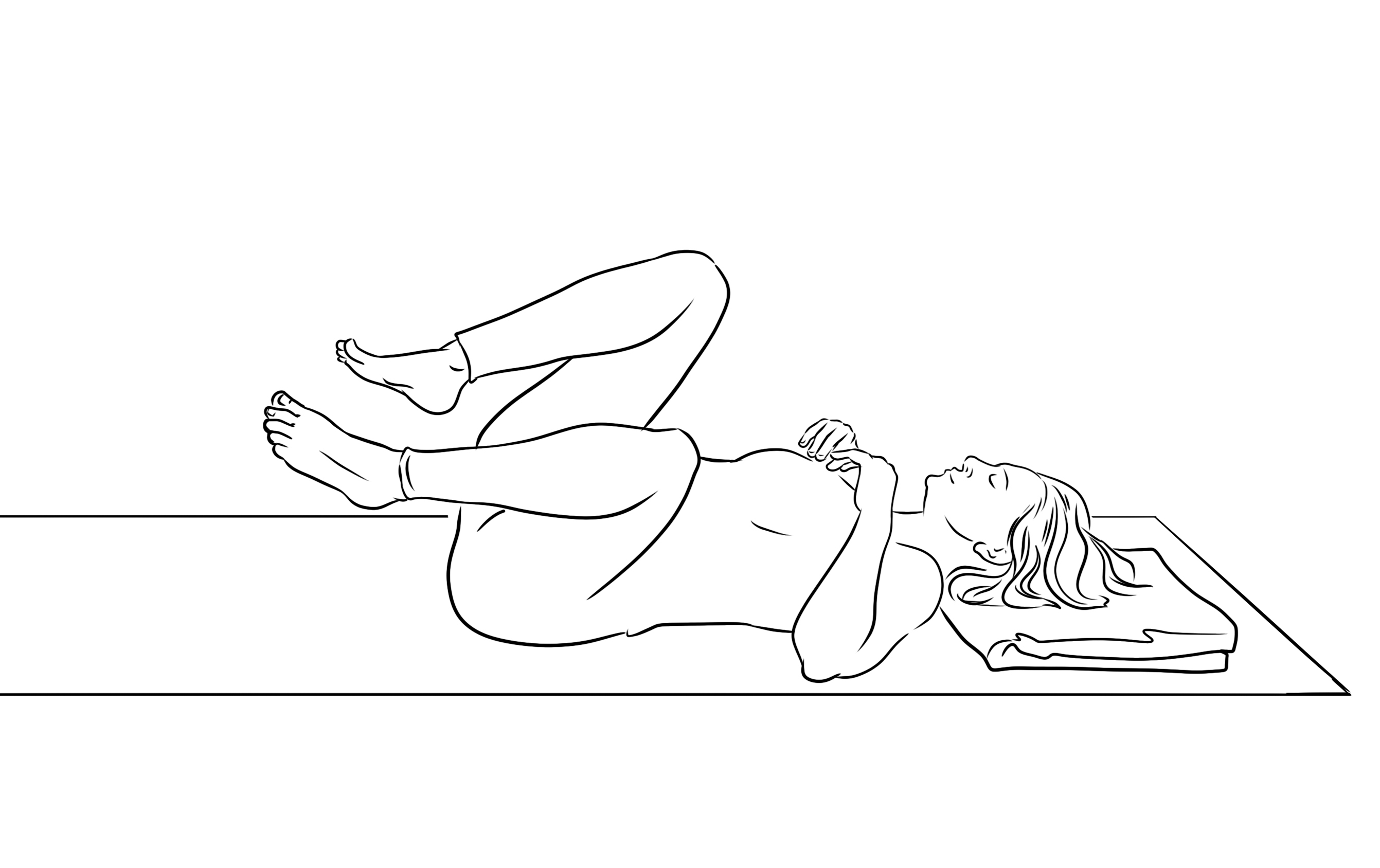 Support, Buoyancy & Flow
Throughout the practice, there is a recurring theme of shifting support, rolling, rocking, and gently inverting the legs to feel how the body reorganises itself around gravity. Movements are often cross-lateral and wave-like, allowing the spine, pelvis, and limbs to articulate together rather than in isolation. The jaw remains soft, the breath responsive, reminding us that effort is not required for movement to be nourishing.
These moments of subtle mobilisation act like a form of self-massage, decompressing the lower back, pelvis, and spine, while maintaining a sense of ease and containment.
Settling into Rest
The practice gradually returns to stillness, coming back into constructive rest and then into a spacious Savasana. Here, attention rests with the breath once more, feeling how the front body gently opens on the inhale and how the back body settles and widens on the exhale. Small arm and head movements may echo this wave, supporting a sense of continuity through the spine.
This final rest is an invitation to linger. To trust the ground, the breath, and the body’s inherent capacity to regulate and restore. You’re encouraged to stay as long as you need, allowing the practice to complete itself before making your way back up, slowly and in your own time.
If you'd like to explore this topic in more depth, I invite you to look at my Somatic Therapeutic Yoga Training - a my 200-hour trauma-informed, specialist training and personal journey for yoga teachers, yoga therapists and movement professionals. For details, click here.
Stay connected with news and updates!
Join our community to receive the latest news and updates from Somatic Therapeutic Yoga Training Limited. When you sign up, you'll also receive access to our Yoga Teacher Community and receive two ebook samples of my recent Yoga Teacher training books.
Don't worry, your information will not be shared.
We hate SPAM. We will never sell your information, for any reason.
